Music
The Beans Know Something We Don’t: Ajogu’s The Therapeutic Tape and the Case for its cultural significance
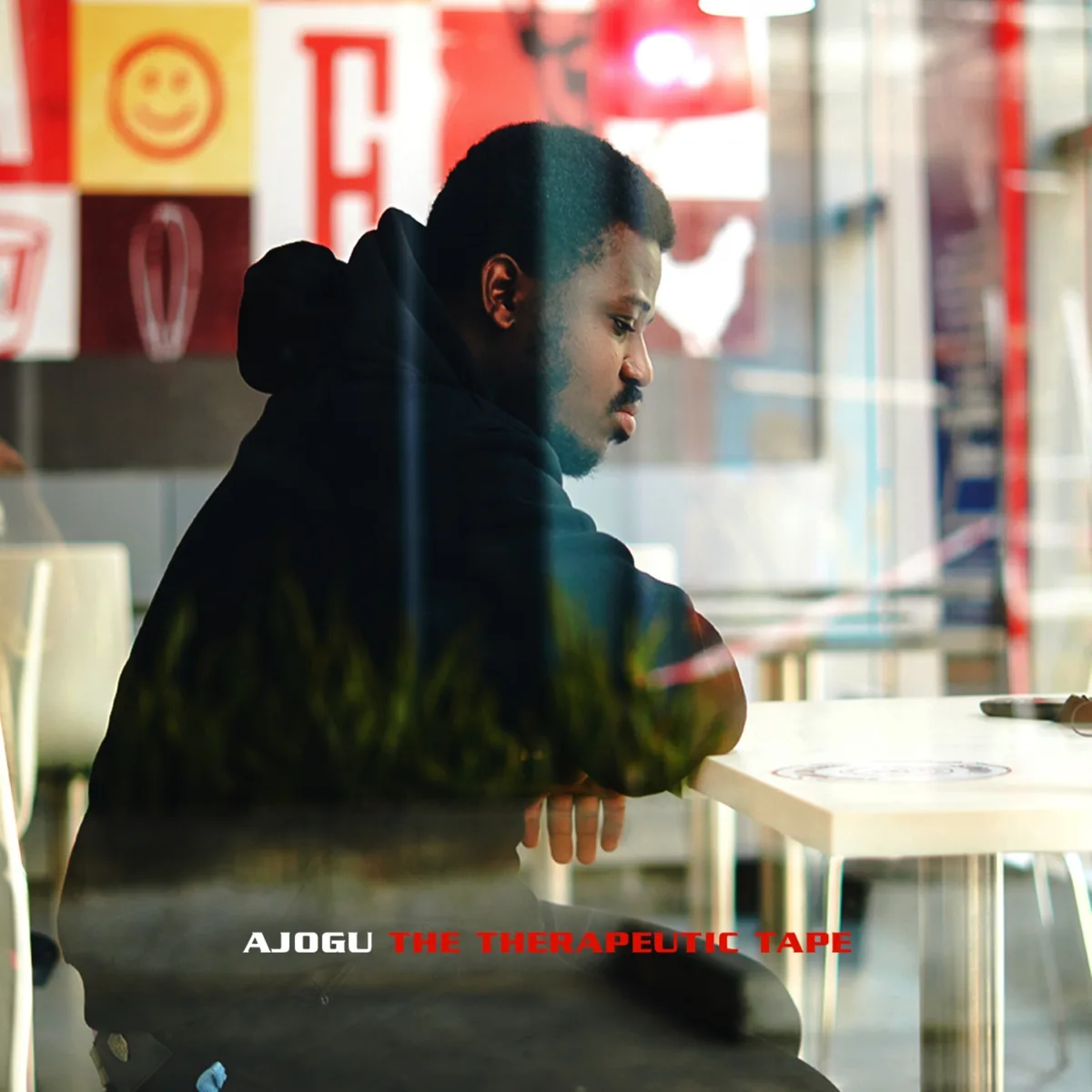
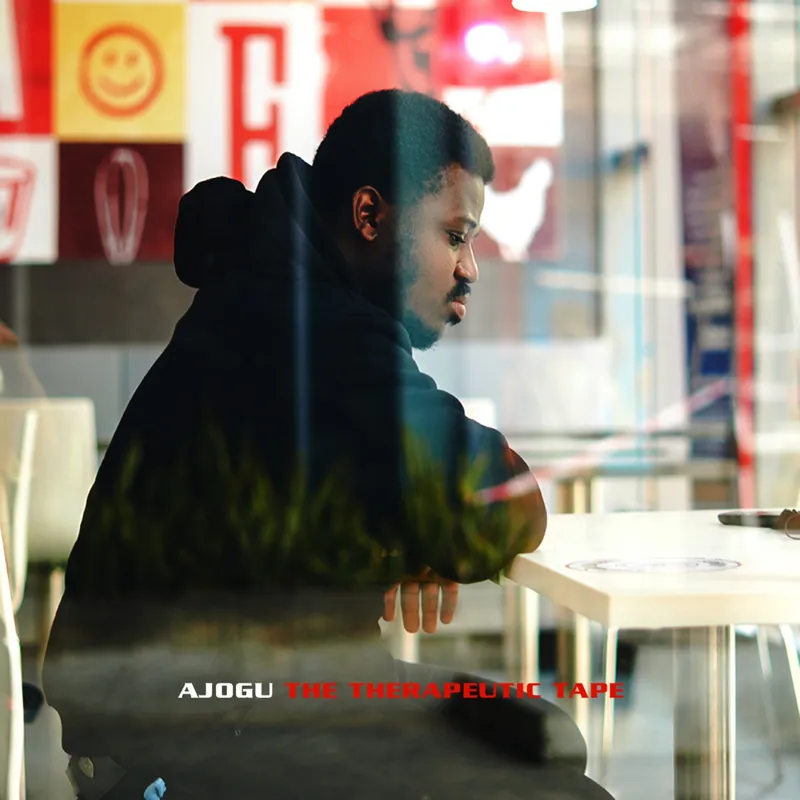
On the 9th record of Ajogu’s “The Therapeutic Tape” is a song titled “The Story Of Process.” On this record, which also doubled as the lead single of the album, the artist does something almost absurd: he talks to beans.
Not metaphorically. He addresses ẹ̀wà directly, coaxing it toward its destiny as ọlẹlẹ—moin-moin, that beloved steamed pudding that shows up at everything from Sunday lunches to wedding receptions. It’s the kind of conceit that could have collapsed under its own whimsy. Instead, it becomes the album’s thesis statement.
Because here’s what Ajogu understands: moin-moin doesn’t belong to any one ethnic group. It travels. It adapts. It shows up on tables from Lagos to Kano without asking permission. And in that quiet ubiquity, the artist finds his metaphor for transformation: not the kind that erases what came before, but the kind that builds on it. The beans don’t stop being beans. They become something more.
When a Plea Becomes a Reclamation
The album’s second single, “Thirsty,” finds Ajogu working in Igbo, repeating the phrase “nye m mmiri,” which is literally translated, “give me water.” It’s a request most Nigerians have heard before, but the context has shifted over the decades. What began as a cry of wartime desperation hardened, over time, into something uglier: a dismissive slur, a way of minimizing a person’s need.
Ajogu takes it back. He doesn’t scrub the history from the words. He lets the ache sit there. But he also redirects the plea upward, toward something larger than immediate relief. The song works because it refuses to choose between the historical pain and the spiritual thirst. Both are present. Both are true.
A Conversation With a Ghost
“Fela, Are You Proud of Me?” is where the album’s confidence becomes most apparent. Ajogu imagines a monologue with the architect of Afrobeat, and he brings rap into the room; a genre that often gets treated like a distant cousin at Nigerian music’s family gatherings.
What could have been a hollow homage becomes something rawer: a meditation on validation, on what it means to make art in an ecosystem where certain sounds and certain names dominate. He nods to the legendary Teemac Iseli. He name-checks The Cavemen. The imagined conversation starts to feel less imaginary and more like a mirror.
The context of this record becomes better understood when viewed through the hindsight of the track titled “Father of Lights.” Here, Ajogu admits something uncomfortable: he’s struggling with obscurity. He wants to serve God. He also wants to be seen. The song doesn’t resolve that tension, it just sits in it, comparing the distant shine of stars to the gaudy glow of Las Vegas, then quietly settling for the streetlights of Lagos over the darkness of obscurity. It’s not a triumphant answer. It’s an honest one.
The Question That Lingers
By the time “Emotional” arrives, the album has earned the right to ask its hardest question. Ajogu raps: “If the world will not remain in place, why does culture think she can’t be replaced?”
It’s a line that could read as sacrilege. Culture—especially in a country where tradition carries real weight—is often treated as untouchable. But Ajogu isn’t dismissing it. He’s asking whether we’ve confused reverence with stagnation. The earlier tracks danced with tradition. This one stares it down.
What the Album Actually Argues
The Therapeutic Tape isn’t a lecture. It’s not a manifesto. It’s nine songs that treat Nigerian cultural materials—food, language, musical lineage—not as artifacts to be preserved behind glass, but as living things that can be questioned, stretched, and yes, remade.
Ajogu has described the project as the product of a healing journey, one that led him to a discovery rather than a destination. That framing feels right. Because the album’s real argument isn’t about any single song or metaphor. It’s about whether we’re willing to let culture breathe—to let it change shape without losing its essence.
The beans know something we don’t. They’ve been transforming all along.
Comments
No comments yet. Start the conversation.