
Opinion
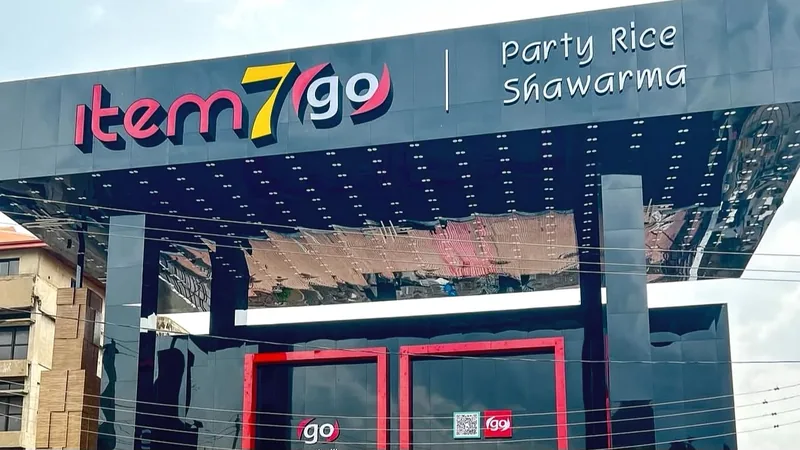
Item7Go and the Creeping Struggle to Retain What Makes It Unique and Hotly Demanded
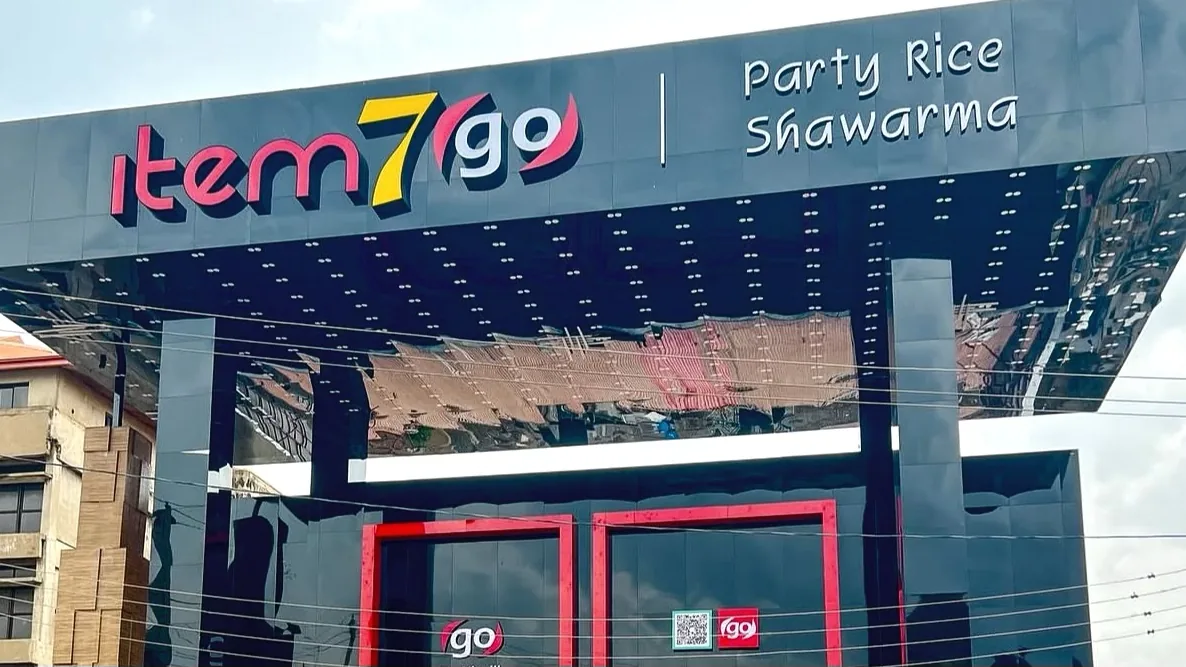
There are businesses that sell products, and there are businesses that become part of people’s everyday lives. Item7Go has, for a while, managed to do both.
As an observer of the brand, I think Item7Go understood something fundamental about the Nigerian market: most people aren’t necessarily looking for an elaborate dining experience. They want good food, at a price they can afford, without having to wait forever to get it.
In a country where the majority of consumers are navigating increasingly difficult economic realities, that proposition is powerful.
I believe three things made Item7Go particularly special: affordability, cultural relevance and speed of service.
First, affordability. Item7Go became a go-to for the common man, and even beyond that demographic, because it offered something people could enjoy without feeling like they were stretching their budgets. It understood that accessibility isn’t just about having outlets in different locations. It’s also about making sure people can actually afford what you’re selling.
Second, the branding. Turning ‘Item 7’, a familiar Nigerian expression associated with food at social gatherings, into a restaurant brand was a stroke of genius. It was relatable, memorable and culturally relevant. Before you even knew what the business was selling, the name already meant something to you.
Third, speed. One of the beautiful things about Item7Go was how quickly you could get your food. It understood that convenience is a product in itself. People have places to be, work to do and lives to get on with. Nobody wants to spend an unreasonable amount of time waiting for a meal.
However, I’ve noticed what I consider to be a gradual erosion of two of these three qualities.
Service isn’t always as quick as it used to be. To be fair, the brand appears to be exploring ways to address this, and those efforts are commendable. Growth comes with operational challenges, particularly when you’re serving an increasingly large customer base. But the challenge is ensuring that growth doesn’t come at the expense of the experience that attracted customers in the first place.
Then there’s pricing. Every now and again, prices creep upwards, and delivery orders can be particularly expensive. I understand that businesses are dealing with rising costs, inflation, logistics and other economic pressures. Nobody expects a business to operate at a loss. But there’s a difference between adjusting prices to remain sustainable and gradually becoming inaccessible to the very people who helped build your brand.
And this is where my concern lies.
If Item7Go loses affordability and quick service, what remains is a culturally clever name. And while cultural relevance is valuable, it isn’t enough to sustain customer loyalty indefinitely. There are plenty of businesses that can sell rice. There are plenty that can offer convenient meals. There are also plenty that can come up with memorable names.
What made Item7Go different was the combination of all three.
I think the next phase of its growth should be less about simply expanding its footprint and more about protecting its original value proposition. Can it scale without making its meals less accessible? Can it serve more people without making them wait longer? Can it introduce better systems that improve efficiency without transferring every operational cost to the customer?
These are important questions.
I’m rooting for Item7Go, genuinely. There’s something worth celebrating about a Nigerian business that starts small, finds its footing and grows into something people recognise and rely on.
But growth should not make a brand forget why people fell in love with it.
The common man didn’t make Item7Go a go-to because of the name alone. He came because he could afford it, enjoy it and get on with his day.
Don’t lose that.
Because being culturally relevant gets you noticed. Being affordable gets you considered. And being convenient gets you remembered.
You need all three.
Comments
No comments yet. Start the conversation.